European Office Abdijhof 15,
6834 EE Arnhem,
The Netherlands, EU
Email info@casalabranza.coffee
Mob. +31(0)6 40 06 73 29
KvK. 88068838
European Office Abdijhof 15,
6834 EE Arnhem,
The Netherlands, EU
Email info@casalabranza.coffee
Mob. +31(0)6 40 06 73 29
KvK. 88068838
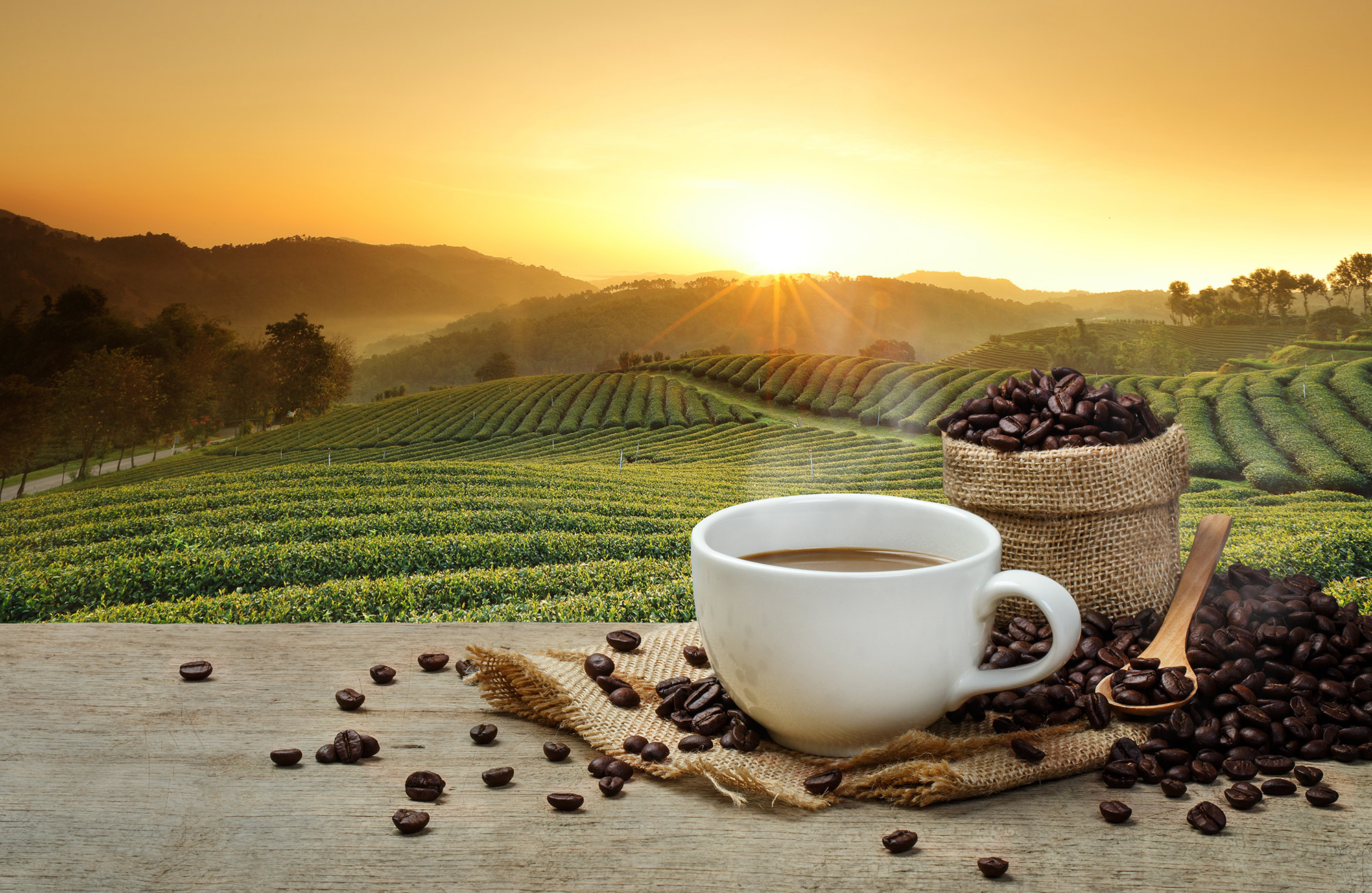
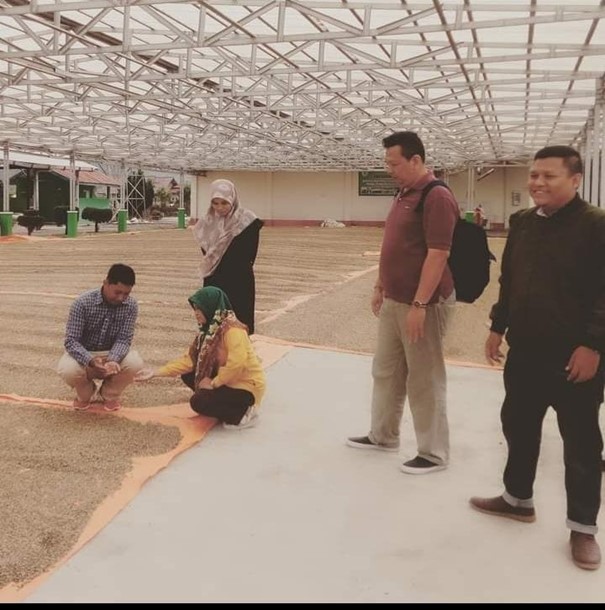
Just before the Corona Pandemic, the Bilateral Chamber of Commerce El Salvador-Holland and our sister organisation the Latin American Trade Agency, decided to organize a “Specialty Coffee” cupping in Amsterdam, The Netherlands. The cupping had to be postponed several times because of government restrictions during the pandemic put, at last the cupping was held successfully in October 2020. Organizing of this coffee event inspired us to start a Specialty Coffee agency that would seduce customers to try the delicious tastes and flavours and of course the outstanding coffee quality of “Specialty Coffee” from Middle and South America and stimulate sales in Europe, Scandinavia and the Middle East.
This website will develop four focusses on the use of Specialty Coffee: 1) a department for coffee factories and wholesalers to see which Specialty Coffees we have to offer and how they can ask for an offer online or order or reserve a part of the crop directly from one of our coffee producers; 2) a department for coffee roasters to order green beans and… as soon as possible… 3) a web shop will be added for customers who can order the Specialty Coffee from our coffee producers and 4) a department for coffee corners, where customers in several European cities can really taste our excellent Specialty Coffee and be informed about the web shop and the shops where our coffees are for sale. This latter department will need investment and it will take some time to start it and to let it grow to a network. Casa Labranza is therefore intending to make you “in love” with Specialty Coffee and will inform you about this coffee experience.
Enjoy this website!
Kind regards,
Paul Dufour
CEO Latin American Trade Agency and Casa Labranza
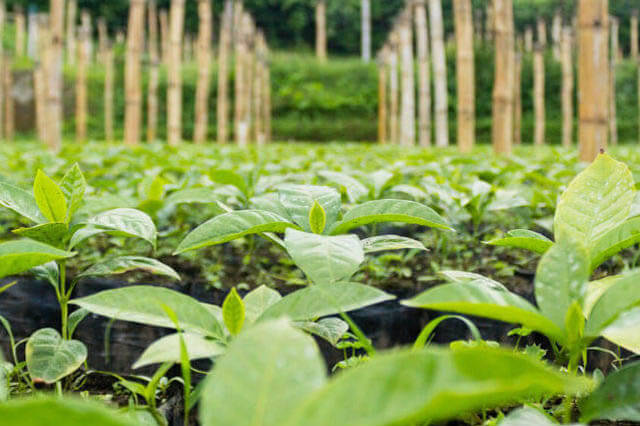
Casa Labranza is dedicated to the use and the selling of “Specialty Coffee” to coffee factories, wholesalers, coffee roasters and customers; we explain the difference in quality and tasting experience between the normal coffee we buy in shops and the “Specialty Coffee” that has many different types, flavours and tastes. Good quality coffees are grown in coffee farms with much care and knowledge about how to grow. Specialty coffee is excellent coffee with a quality rating of 85 – 90 SCA points (from the Specialty Coffee Association). They are often price winning coffees, whereby the excellent care of growers is combined with special environmental factors like being grown on a volcano mountain on a higher altitude and special elements added to attain an excellent variation of flavours and tastes. Producing specialty coffee involves much more work and demands more knowledge and is therefore more expensive than the regular good and excellent coffees. Middle and South American Countries like El Salvador and Guatemala for example, have coffee farms that produce those coffees. It is our speciality to find the right farms for you. Although we can also deliver you good quality coffees if the price level of a specialty coffee should be a problem.
One of our specialty coffee specialists described specialty coffee as follows:
“El Salvador and Guatemala represent origins of some of the most highly appreciated coffees in the world, due to their exquisite and complex flavors. To produce these exclusive beans, natural elements such as the climate and soil composition are perfectly intermingled with cultural practices as the crop grows and is harvested in the farm, after which it is finally processed. These elements, encapsulated in the concept of terroir, together with the numerous varieties that are cultivated with love and devotion by farmers that work day after day in El Salvador and Guatemala, give rise to literally thousands of possible flavor profiles that amaze any enthusiast.”
One of our Salvadoran producers wrote the following about specialty coffee:
“ El Salvador is a country that produces coffee of excellent beverage quality. It is obtained from the mountain ranges: The Apaneca-Ilamatepec mountain range corresponds to Ahuachapán, Sonsonate and Santa Ana, El Balsamo Quezaltepec is in La Libertad and San Salvador, Chichontepec in San Vicente, La Paz and Cuscatlán, Tecapa Chinameca in Usulután, Cacahuatique in San Miguel and Morazán, Alotepec Metapán in the departments of Chalatenango and part of Santa Ana, confirmed by the results obtained in the Cup of Excellence event since 2003. In them the representation of the six mountain ranges can be appreciated. This awakened great interest in our coffee in the specialty coffee market. The search for quality begins with the selection of the variety to be planted, the care during the agricultural year, the search for the economic resources to work the farm, the harvest, the processing, storage, and preparation for shipment.
Salvadoran coffee, classified in the group of other mild coffees, possesses physical, chemical, and sensory properties that allow it to be recognized worldwide.
These qualities are attributable to the following conditions:
The quality control of the beverage is closely linked to the intrinsic qualities of the grain in its physical aspect. The organoleptic characteristics of the beverage, such as aroma, flavour, body, acidity, and sweetness, are in accordance with what the market demands in its handling and preparation.
Coffee growers in El Salvador strive day by day to continue obtaining the quality of their coffee. To achieve this prestige, it is essential to have the support of personnel in the farm with technical capacity. They must know how to direct the personnel under their charge in maintenance and harvesting tasks. The Administrators of the processing site have technical knowledge of the agro-industrial process.
Cuppers recognized for their great trajectory that know how to distinguish the attributes of exceptional coffee. And people knowledgeable in the promotion and marketing of their product. Salvadoran coffee has a good reputation worldwide, which is given by the sweetness, body and acidity of its beans, attributes that enchant not only the palate, but also the sense of smell of those who taste it.
The Salvadoran Coffee Council, in a maximum effort to achieve the positioning of the country’s coffee in the best gourmet markets of the world, has established a demanding classification system for its coffee, which must comply with particularities such as being cleaned by hand; processed with fresh water; picked red (ripe); and with 0% of defective grains or an average humidity of 12%. Only if it meets these standards, and is above the 16 sieves, it receives the gourmet denomination and can be sold abroad packaged in special bags with this denomination (currently, at least 90% of El Salvador’s gourmet coffee is of the Bourbon, Pacamara and Maragogipe varieties).Our volcanic soils provide unique characteristics worldwide. Highly appreciated in international markets.”
Products sold in the EU or the UK need to meet certain standards, both in product quality and in information on the packaging. Certifications include the following:
Fair Trade Coffee
Fairtrade is perhaps the most well-known quality mark in the Netherlands. Not only can it be found on coffee, but also many food products, as well as clothing. In the case of Fairtrade coffee, the focus is mainly on the smaller coffee farmers who are united through a cooperative. By joining the Fairtrade organization, they are assured of a minimum selling price of their coffee. In addition, they receive a premium which the cooperative may use as it sees fit. The Fairtrade quality mark can now be found on more than 27,000 products from developing countries.

Organic coffee
The quality mark for Organic coffee (better known as EKO) relates to the methods of cultivation and processing of products. The quality mark guarantees, among other things, that no artificial fertilizers and chemical pesticides are used. The entire chain from farmer to sale must be provided with an organic certificate to guarantee that the product does not undergo a treatment ‘on the way’ so that the product can no longer be classified as organic.
Rainforest Alliance coffee
This quality mark was started in 1986 to protect the rainforest, but in recent years has developed into an important player in the coffee market. Unlike the Fairtrade label, the Rainforest Alliance does not focus on cooperatives with small coffee farmers, but on medium-sized to large plantations. The requirements to join are relatively mild, but the plantation must commit to further sustainability in the following years. Rainforest Alliance focuses on over 100 aspects including preserving biodiversity, improving livelihoods, preserving natural resources and much more. Rainforest Alliance recently merged with UTZ-Certified. By joining forces, the two quality marks want to achieve even more impact.